Relieve Hip & Back Pain in 10min a Day
FREE guided sequence- Along with YOGA TIPS to make your life easier and "go to" yoga sequences newsletter!
- Feb 16
Turning Upside Down with Yoga
- Abby Turner
- Yoga Tips and Techniques
- 0 comments
6 Poses No Fear
In the Ashtanga Primary Series, the inversion sequence is started with a shoulder stand followed by headstand. When we turn the body upside down, we create a new view of the world. Often, there is a natural fear which accompanies going upside down. We don't know which way is right, left, front, or back. We are also afraid that we might fall. It is the fear of the unknown.
Some fears are necessary in life. Some are debilitating. There are fears that keep us alive and fears that keep us from living. When we have fear that keeps us from taking harmful risks, that is healthy fear. Other times, our fear may stop us from having a wonderful experience. We may only approach what we know and shy away from the rest. This may keep us from living as fully as we might. The trick is to find the balance.
It is not healthy to constantly seek out what scares us. However, when confronting the occasional personal challenge can help us to gain self confidence by moving past some of our fears.
Try Turning Upside Down with Yoga
Here are a few tips:
Build confidence (and strength) over time
Approach poses slowly and listen to the body
Keep your breath moving and relax the mind
Seek out assistance if possible
The key to inversions is finding the new point of balance
Keep the ribs drawn in and legs actively lifting toward the sky
Feel the connection of the earth and grow from there
Use drishi and bandhas for additional stability
Tips to Prepare for Turning Upside Down in Yoga
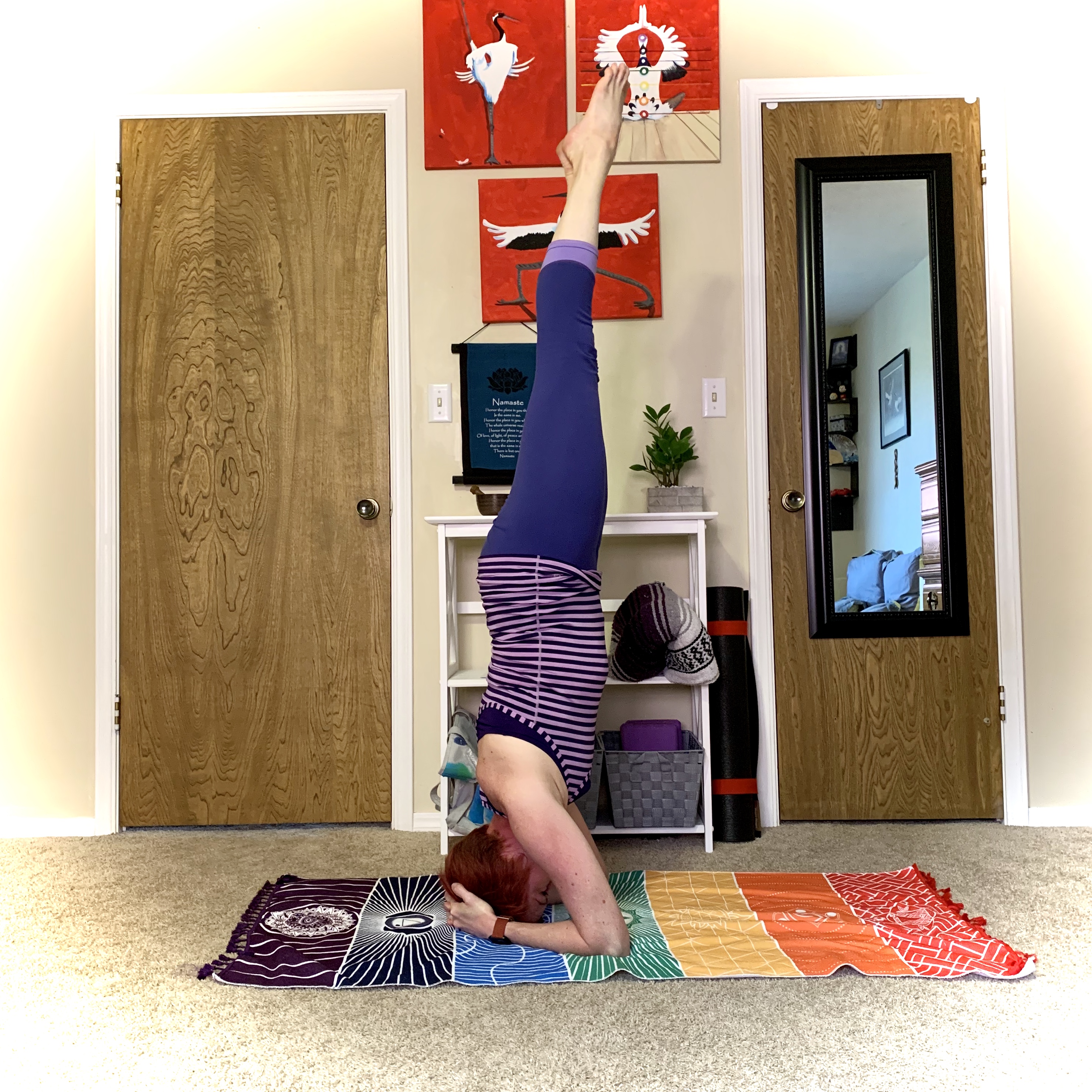
Salamba Sirsasana I- This pose is stimulating. To open the shoulder girdle in preparation for Salamba Sirsasana I, work through Adho Muhka Swanasana (down dog), Garudasana (eagle) arms, and Gomukhasana (cow face) arms. These stretches will create easier shoulder flexion in Salamba Sirsasana.
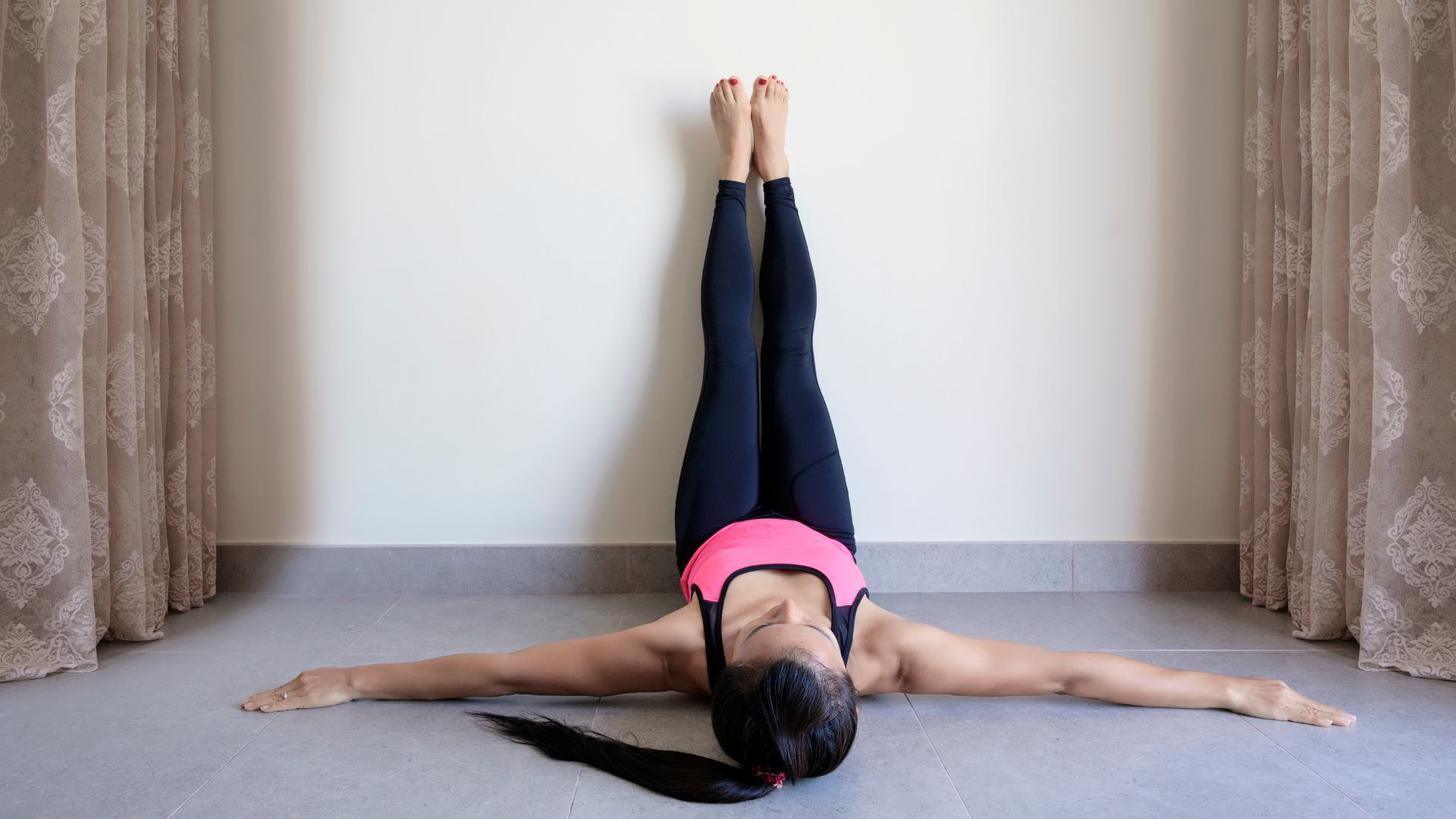
Viparita Karani- This pose is calming and deeply restorative. It is accessible to all students and feels wonderful after a vigorous yoga practice, a stressful day, or when feeling low of energy.
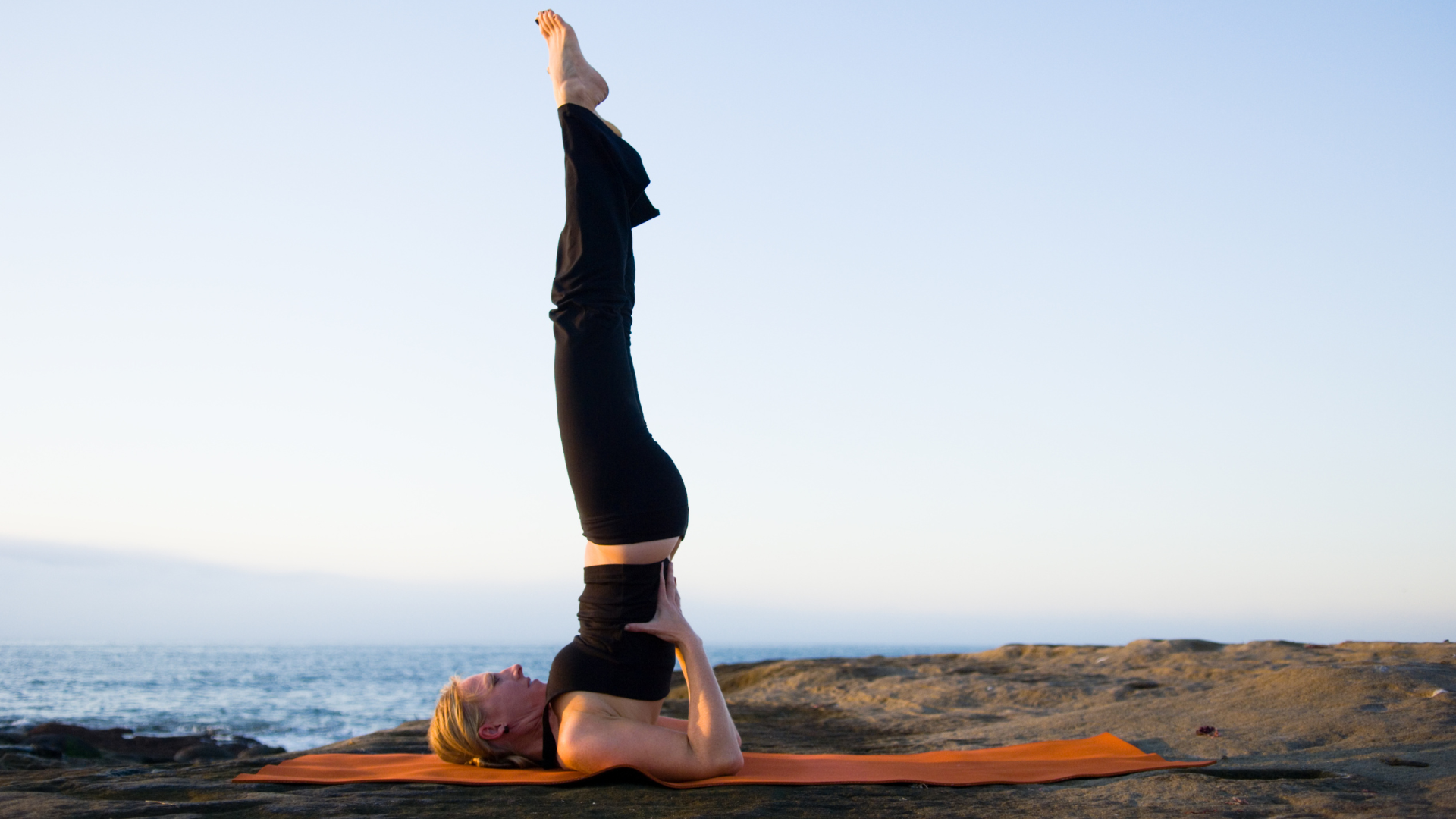
Salamba Sarvangasana- This pose can release tension in the neck and is calming and cooling. Try moving into Halasana (plow) first as it is a calming forward bend. It is the basic foundational pose before moving into Salamba Sarvangasana.
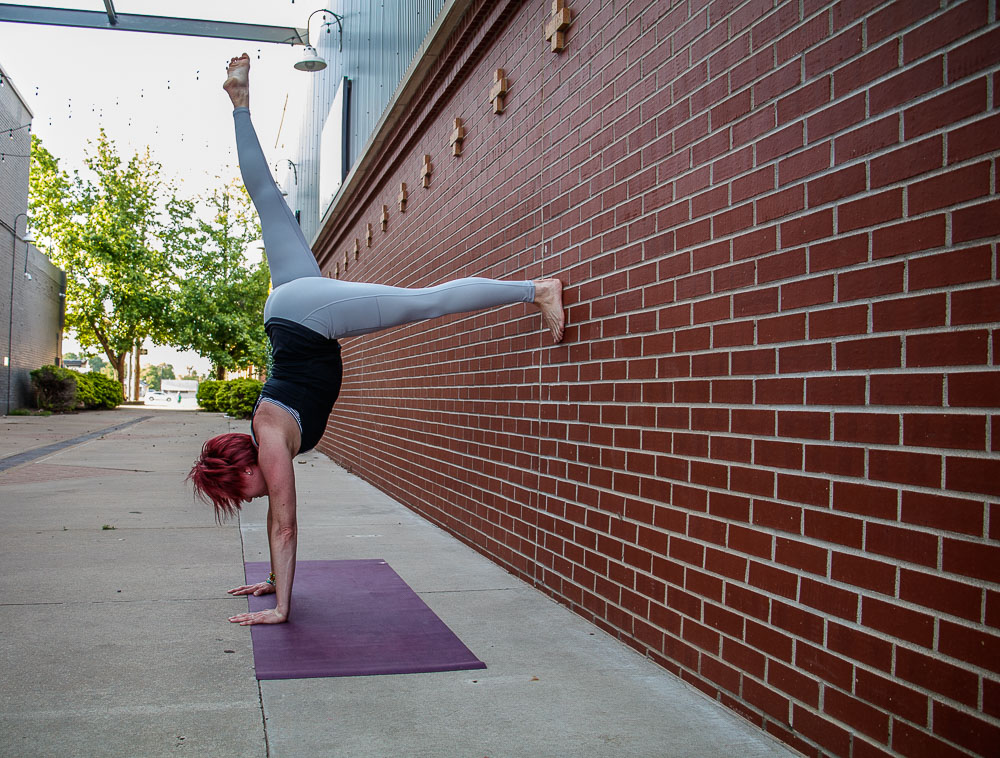
Using a wall can be a great way to prep for turning upside down with yoga in Handstand pose. Make sure to align wrists, shoulders, and hips and practice extending one leg at a time from table top position on the wall.
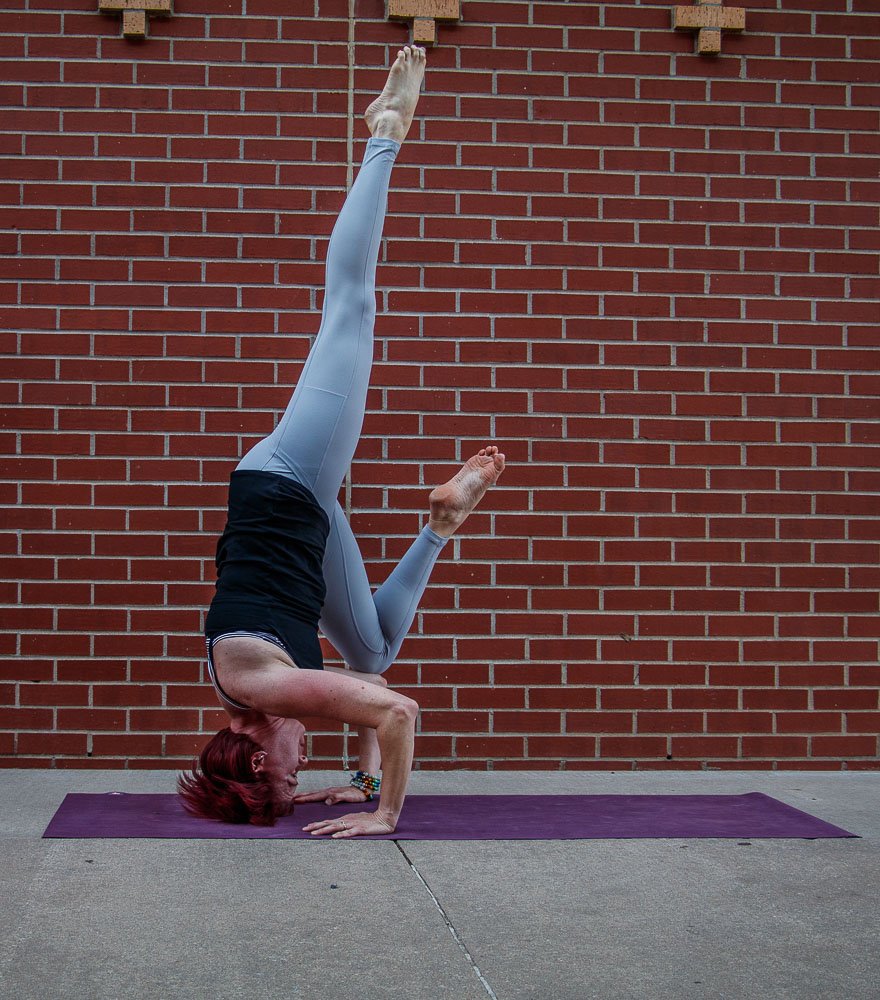
Tripod headstand can be practiced with both knees resting on the elbow "shelf." Push the ground away to ease strain on the neck and strengthen the shoulders. As you gain strength and confidence, both legs can be extended into the air.
Avoid sprinting toward the end of your practice to reach the finish line! The beginning is the end. Continue to breathe with awareness and focus. Free the mind by turning upside down with yoga. Be present in the moment. Feel the wonder and pleasure of practicing yoga!
Try the Ashtanga Closing Sequence with me- Turning Upside Down with Yoga- no fear!
3, 2, 1.... Newsletter!
Bi-Weekly newsletter with:
3 Yoga Tips to make your life easier
Your Go To Yoga Sequence for the Week!